


Development of Sports Performance Analytics Software: Features, Advantages, Cost and Business Opportunities for 2026
The sports world is changing. Contemporary sport teams, academies, health clubs, and leagues are making use of advanced technologies based on data to enhance athletes’ performance, prevent injuries, and increase competitiveness.
Thanks to the increasing popularity of Artificial Intelligence (AI), wearable devices, Internet of Things (IoT) sensors, and predictive analytics, sports teams are actively developing sports performance analytics software to obtain valuable insights out of athletes’ data.
If you want to develop a sports analytics software application, here you will find all information that you should be aware about, including features, advantages, development process, technologies, cost and business opportunities.
What is Sports Performance Analytics Software?
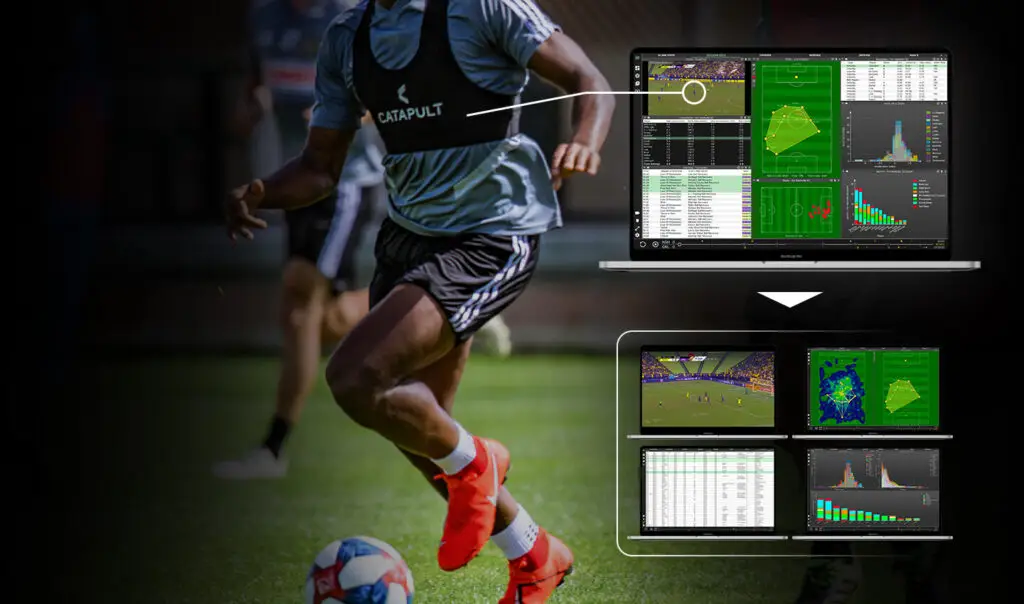
Sports Performance Analytics Software is an online tool which helps collect, process, and analyze information related to athletes’ performance and use it for making informed decisions.
The software provides information obtained from:
- GPS tracking systems
- Wearable technology
- Heart rate monitors
- Training
- Match statistics
- Video analysis
- Internet of Things enabled sport equipment
Using AI algorithms, the software turns the raw data into useful information helping athletes perform better and avoid injuries.
The business firms that are seeking sports performance analytics software development services have been using these solutions to improve their decision making and athletes’ performances.
Advantages ofSports Performance Analytics Software based on content rather than vice versa
Enhanced Athletic Performance – The use of performance analytics software helps teams discover athletes’ strong and weak areas through constant analysis of metrics.
Prevention of Injuries – Injury risks are reduced by analyzing the levels of fatigue, workloads, recovery periods, and biomechanics of players.
Evidence-Based Coaches’ Decisions – With access to up-to-date performance metrics, coaches have the ability to make better decisions for training athletes.
Personalized Training Programs – Individualized training programs for athletes are created according to their fitness level and previous performance results.
Quick Discovery of Talents – Recruiters and scouts use performance metrics when evaluating the capabilities of the players.
Competitive Advantage – By using performance analytics tools, organizations are able to beat competitors due to efficient preparation and strategic decisions.
Higher ROI – Sports organizations make better investments in their athletes through training programs and analytics technology.
Real-Time Performance Monitoring – Live performance analysis allows coaches to make changes to practice sessions and competitions right away.
Key Features of Sports Performance Analytics Software
Athlete Performance Dashboard – Dashboard providing overview of performance metrics, fitness, workload, and athlete development.
Real-time Performance Monitoring – Monitor speed, acceleration, distance, stamina, and movement.
Wearables Integration – Integrate with wearables such as smartwatches, fitness bands, heart rate monitors, GPS, etc.
AI-driven Performance Analytics – Utilize artificial intelligence for deeper insights into performance trends.
Injury Risk Prediction – Identify injury risks through prediction and analysis of workloads and recovery.
Workouts & Training Planning – Plan training and workouts for athletes individually.
Video Performance Analytics – Analyze game video along with performance data.
Team Performance Analytics – Analyze performance metrics of the whole team.
Predictive Analytics & Forecasting – Forecast results and identify potential areas for development.
Custom Reporting & Data Visualization – Generate custom reports, graphs, charts, and dashboards.
Talent Scouting & Athlete Evaluation – Evaluate athletes based on performance benchmarks.
Multi-User Access Control – Access control for various roles: coaches, trainers, athletes, analysts, and administrators.
Support For Mobile Applications – Check out your reports, dashboard, and training plans on mobile phones and tablets.
Immediate Alerts & Notifications – Get real-time alerts for injuries, missed workout sessions, achievements, and other important notifications.
Cloud-based Solution – Secure storage and access to athletes’ data using cloud technology.
Software Development Process of Sports Performance Analytics Platform
Step 1: Definition of Business Objectives and Requirements
Target audience identification, business goals definition, and performance measures specification.
Step 2: Data Sources Identification
Integration of wearables, GPS tracking system, sensors, video systems, and third-party APIs.
Step 3: Creation of User-Friendly Dashboard
Creation of a dashboard which would help in simplifying data interpretation.
Step 4: Development of Scalable Backend Infrastructure
Development of scalable backend infrastructure able to handle vast amounts of sports data.
Step 5: Integration of Artificial Intelligence and Machine Learning
Implementation of prediction models aimed at injury detection, performance prediction, and recommendations.
Step 6: Real Time Monitoring Implementation
Real time monitoring option implementation for performance evaluation in training and matches.
Step 7: Integration of Third-Party Sports Technologies
Integration of wearables, fitness apps, video analysis services, and sports management software.
Step 8: Security and Compliance Implementation
Encryption, secure authentication, GDPR compliance, and other security features.
Step 9: System Testing
System performance testing, analytics validation, integration testing, and user experience validation.
Step 10: Platform Launching and Further Improvements
Monitoring of platform performance and user feedback collection with updates released.
Technologies in the Development of Sports Analytics Software
Technology | Purpose |
Artificial Intelligence | Performance recommendations and predictive insights |
Machine Learning | Pattern recognition and injury prediction |
IoT & Wearables | Real-time athlete data collection |
Computer Vision | Movement and gameplay analysis |
Big Data Analytics | Processing large datasets |
Cloud Computing | Scalable storage and infrastructure |
GPS Tracking | Location and movement monitoring |
Data Visualization Tools | Interactive reporting and dashboards |
Artificial Intelligence in Sports Analytics: Athlete Performance of the Future
Artificial Intelligence has proven to be a revolutionary technology in the world of sports performance management.
AI Applications Include:
- Performance prediction
- Injury risk prediction
- Tailored training programs
- Analysis of opponents’ strategies
- Automated reporting
Real-time coaching
Organizations seeking AI-powered sports analytics software development Services can leverage these capabilities to gain a significant competitive advantage.

Factors Influencing Development Costs
There are several key factors that determine project costs:
- Feature Complexity
- AI/Machine Learning
- Real Time Analytics
- Wearables Support
- Mobile App Development
- UI/UX Design
- Security Compliance
- Cloud Infrastructure Costs
- Expertise of development team
- Location of development company
Companies looking for a custom software development agency or sports performance tracking software development services need to consider these factors before planning their budget.
Monetization Models for Sports Analytics Platform
SaaS Model Using Subscriptions – Users pay monthly and annual subscriptions for accessing the platform.
Pricing Packages with Different Levels – Use varied packages depending on the number of features offered.
License Deals for Enterprises – Sell customized deals to sports teams and organizations.
Freemium Model – Users enjoy basic features at zero cost while paying for premium analytics.
White Label Deals – Academies can resell the software with their logo.
Premium Artificial Intelligence Predictions – Provide advanced analytics and AI predictions as paid services.
API Licensing – Make money from sports analytics using paid APIs.
Why Should You Invest in Sports Analytics Software in 2026?
More and more the sports industry is turning into a data-driven domain, where those who utilize analytics have significant benefits over others in terms of athletes’ performance, injury prediction, talent scouting, and making decisions.
Developing sports analytics platforms, sports performance AI solutions, and customized athlete tracking software allows companies to tap into one of the most promising areas of sports tech.
No matter whether it’s a startup, sports academy, fitness company or professional sports team – launching a sports analytics platform is something your business will benefit from greatly.